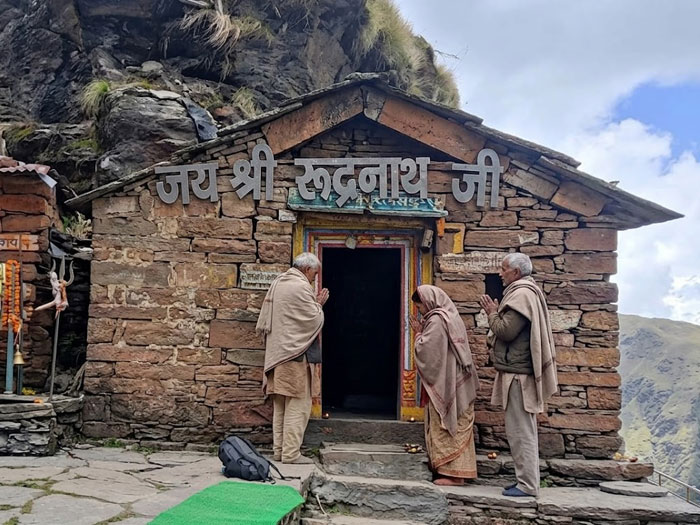
The Rudranath Temple and Trek is one of the most sacred and scenic Himalayan treks in Uttarakhand, attracting pilgrims, trekkers, photographers, and nature lovers from across India. Home to the revered Rudranath Temple, one of the five holy shrines of the Panch Kedar, this trek offers a unique blend of spirituality, adventure, and breathtaking natural beauty.
Situated at an altitude of approximately 3,600 metres (11,800 ft) in the Chamoli district, the trail passes through dense forests, alpine meadows (bugyals), mountain streams, waterfalls, and panoramic views of majestic Himalayan peaks such as Nanda Devi, Trishul, and Nanda Ghunti.
Whether you are planning a Rudranath Trek package, searching for the Rudranath Trek itinerary, or looking for a Rudranath Trek guide, this pilgrimage is considered one of the most rewarding high-altitude hikes in India. The Rudranath Temple Trek usually begins from Sagar Village, though routes via Mandal and Gopeshwar are also popular.
Trekkers often search for information on the Rudranath Trek distance, Rudranath Trek difficulty level, best time to visit Rudranath, Rudranath weather, Rudranath Trek from Delhi, Rudranath Trek from Haridwar, Rudranath Trek from Rishikesh, Rudranath Trek package from Dehradun, Rudranath Trek cost, and how to reach Rudranath Temple before planning their journey.
Open mainly between May and October, the trek offers pleasant weather, vibrant green landscapes during summer, and spectacular post-monsoon mountain views. Whether you are seeking a spiritual pilgrimage, an offbeat Himalayan adventure, or an unforgettable trekking experience, the Rudranath Trek in Uttarakhand promises serenity, breathtaking landscapes, and memories that last a lifetime.
Rudranath Trek Distance
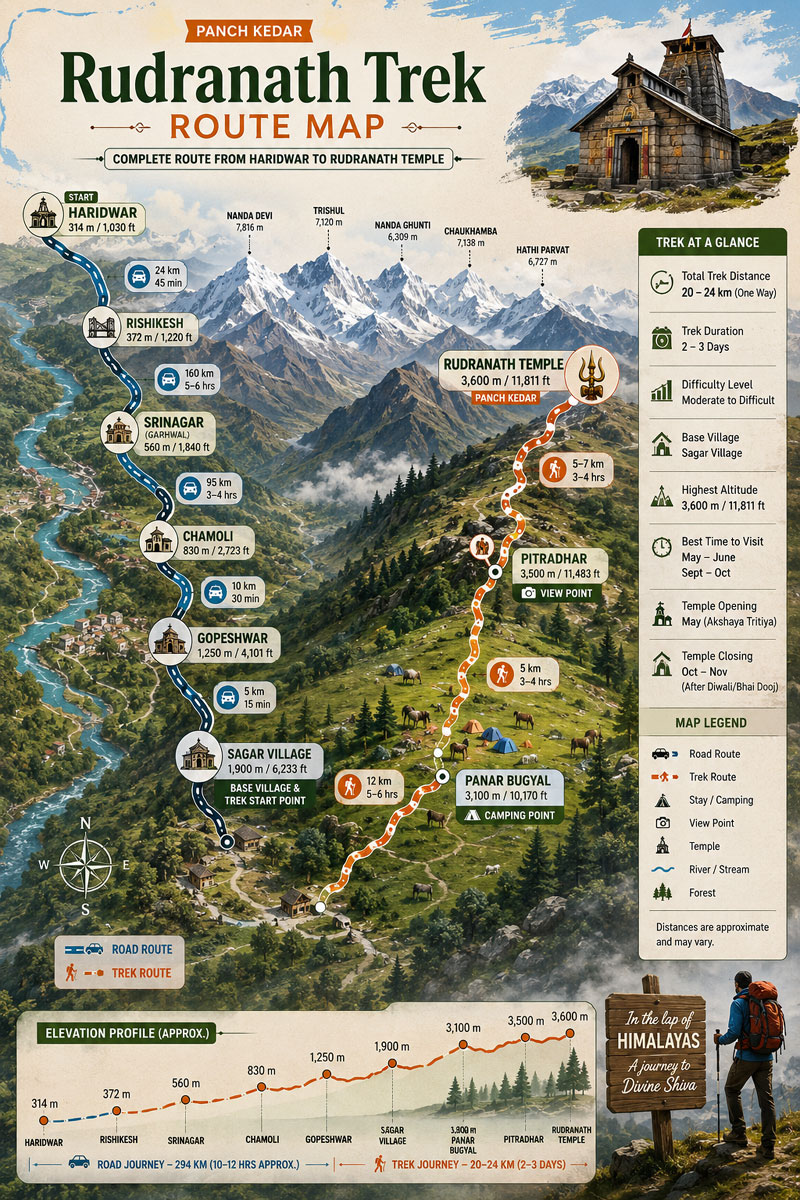
The Rudranath Trek distance is approximately 12–14 miles one way from Sagar Village, depending on the route chosen. If we check the actual distance in kilometers, Rudratrek is arpx 20-24 kms. The trek passes through picturesque forests, alpine meadows, and scenic mountain trails before reaching the sacred Rudranath Temple. It is considered a moderate to challenging trek, making it ideal for experienced trekkers and spiritual pilgrims alike.
Rudranath Starting Point
Rudranath Trek Starting Point: The Rudranath Trek typically begins from Sagar Village, located about 5 km from Gopeshwar in Uttarakhand's Chamoli district, which serves as the most popular base and from distance to Rudranath trek is around 20-24 kms.
Height of Rudranath Trek
Rudranath Trek Altitude: The sacred Rudranath Temple is situated at an altitude of approximately 3,600 metres (11,811 feet) above sea level, making the Rudranath Trek one of the highest and most scenic pilgrimages in the Panch Kedar circuit.
Age Limit for Rudranath Trek
Rudranath Trek Age Limit: There is no official age limit for the Rudranath Trek; however, it is generally recommended for trekkers aged 12 to 65 years who are physically fit and capable of completing a moderate to challenging high-altitude trek.
Time Duration
Rudranath Trek Time Duration: The Rudranath Trek typically takes 2–3 days to complete, depending on the chosen route, trekking pace, weather conditions, and overnight stay plans.
Opening and Closing Date
Rudranath Trek Opening & Closing Dates: The Rudranath Temple generally opens in May (around Akshaya Tritiya) and closes in October or early November (after Bhai Dooj/Diwali). The exact opening and closing dates are announced each year according to the Hindu calendar.
Elevation (Steep Angle)
Rudranath Trek Elevation: The Rudranath Trek does not have a single fixed steep angle, but several sections feature steep ascents with gradients of approximately 20°–35°, especially between Sagar Village and Panar Bugyal, making it a moderately to challenging Himalayan trek.
Rudranath Trek by Horse
Travelers who are unable to complete the trek on foot can opt for horse (pony) services on parts of the Rudranath Trek, mainly from Sagar Village, subject to availability and weather conditions. While ponies make the journey easier, some steep and narrow sections near the temple must still be covered on foot. Advance booking through local operators is recommended during the peak pilgrimage season.
Rudranath Trek Difficulty Level
The Rudranath Trek is rated moderate to challenging, involving steep ascents, rocky mountain trails, high-altitude terrain, and a 20–24 km trek, making it best suited for trekkers with a reasonable level of fitness and endurance.
Base Village /Camp of Rudranath Trek
Sagar Village, located about 5 km from Gopeshwar in Chamoli district, Uttarakhand, is the most popular base village and starting point for the Rudranath Trek, offering accommodation, parking, and basic trekking facilities.
These destinations are considered some of the finest Tirthan Valley tourist attractions and should be included in every Tirthan Valley tour itinerary.
Bugyals in Rudranath Trek
A Bugyal is a high-altitude alpine meadow found in the Himalayas, especially in Uttarakhand. These vast grasslands remain covered with lush green grass, colorful wildflowers, and grazing livestock during summer, while they are blanketed with snow in winter. Bugyals are among the most beautiful features of Himalayan trekking routes.
Bugyal in the Rudranath Trek
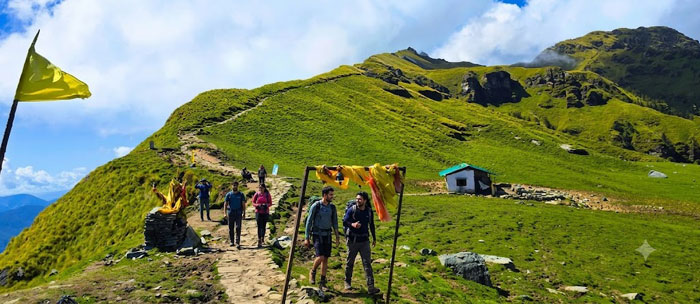
The Rudranath Trek passes through several breathtaking bugyals, with Panar Bugyal being the most famous. These open meadows offer spectacular 360° views of Himalayan peaks such as Nanda Devi, Trishul, Nanda Ghunti, Chaukhamba, and Hathi Parvat. Many trekkers camp here overnight before continuing towards Rudranath Temple.
Popular Bugyals on the Rudranath Trek
- Panar Bugyal (most popular)
- Lyuti Bugyal
- Pitradhar Meadows (near the final ascent)
Best Route for Rudranath Trek
The most preferred and scenic route for Baba Rudranath Trek starts from Gopeshwar, followed by Sagar Village, which serves as the main base village for the trek.
From Sagar, trekkers ascend through dense oak and rhododendron forests to Panar Bugyal, one of Uttarakhand's most picturesque alpine meadows offering spectacular views of Nanda Devi, Trishul, and Chaukhamba peaks. The trail then continues via Pitradhar, a sacred ridge with panoramic Himalayan vistas, before descending gently to the ancient Rudranath Temple.
This route covers approximately 20–24 km one way and is well-marked, making it the most popular choice among both pilgrims and trekking enthusiasts. Along the journey, trekkers experience pristine forests, mountain streams, lush bugyals, and breathtaking landscapes, making it one of the finest trekking routes in the Garhwal Himalayas.
Best Time to Visit Rudranath Trek
The best time for Rudranath Trek is from May to June and September to October, when the weather is pleasant, the skies are clear, and the trekking trails are at their most scenic.
This period is widely regarded as the Rudranath Trek best season, offering comfortable daytime temperatures ranging between 10°C and 20°C, while nights can drop to 0°C to 8°C, depending on the altitude.
If you are looking for the Rudranath Trek best time to visit, summer months provide lush green forests and blooming alpine meadows, whereas the post-monsoon season offers crystal-clear Himalayan views.
The Rudranath Trek in April is generally not recommended as the temple is usually closed and higher sections of the trail may still be covered with snow. Likewise, the Rudranath Trek in August is possible but should be undertaken with caution because the monsoon brings heavy rainfall, slippery trails, and a higher risk of landslides.
Before planning your journey, always check the latest Rudranath Trek temperature and weather forecast to ensure a safe and enjoyable trekking experience.
History of Rudranath Trek
The Rudranath Trek leads to the ancient Rudranath Temple, one of the five sacred shrines of the Panch Kedar dedicated to Lord Shiva.
According to Hindu mythology, after the Mahabharata War, the Pandavas sought Lord Shiva to seek forgiveness for the sins of war. To avoid them, Shiva took the form of a bull and disappeared into the earth at different places in the Garhwal Himalayas.
At Rudranath, it is believed that Lord Shiva's divine face (Mukha) appeared, while other parts of his body manifested at Kedarnath, Tungnath, Madhyamaheshwar, and Kalpeshwar, collectively known as the Panch Kedar temples.
The temple is believed to be over 1,000 years old and is surrounded by dense forests, alpine meadows, and towering Himalayan peaks. For centuries, saints, pilgrims, and trekkers have followed this sacred trail, making the Rudranath Trek not only a challenging Himalayan adventure but also one of India's most revered spiritual pilgrimages.
Rudranath Trek Packages
Choose from a variety of Rudranath Trek packages designed for solo travellers, families, pilgrims, and trekking enthusiasts seeking a memorable Himalayan adventure.
Whether you are looking for a Delhi to Rudranath Trek package, a Rudranath package from Haridwar, or a Rudranath package from Dehradun, there are options to suit every budget and travel style.
Most packages include transportation, accommodation, meals, experienced trek guides, and assistance throughout the journey.
Explore our dedicated package section for Rudranath Trek all details, including itinerary, inclusions, exclusions, package cost, travel tips, and everything you need to plan a safe and unforgettable Panch Kedar pilgrimage.
Rudranath Trek Essentials
Since the trek passes through dense forests, alpine meadows, and high-altitude terrain, weather conditions can change quickly.
Carry a sturdy pair of trekking shoes with good grip, warm layered clothing, a waterproof jacket, rain cover, woollen cap, gloves, sunglasses, sunscreen, and a refillable water bottle.
A trekking pole, backpack with rain cover, flashlight or headlamp, power bank, personal medicines, first-aid kit, energy snacks, and important identity documents are also highly recommended.
As mobile connectivity is limited on the trail, inform your family about your itinerary before starting the trek. Travel light but ensure you have all the essentials to stay comfortable and prepared throughout your journey to the sacred Rudranath Temple.
Frequently Asked Questions (FAQs)
No. Although very fit trekkers may complete it in a single long day, the Rudranath Trek is generally recommended as a 2–3 day trek for safety and comfort.
The **Rudranath Temple is tentatively scheduled to close on 17 October 2026, though the final date is confirmed by the temple authorities based on the Hindu calendar.
No. The trek is not recommended in December because the temple remains closed for winter and the route is usually covered with heavy snowfall.
The Rudranath Trek is considered moderate to challenging, with steep ascents, rocky trails, and high-altitude terrain.
No prior trekking experience is mandatory, but good physical fitness and some experience with moderate Himalayan treks are highly recommended.
The most popular Rudranath Trek starts from Sagar Village, located about 5 km from Gopeshwar in Uttarakhand's Chamoli district.